ServicesWater Testing
Water Testing & Analysis in Niederwald
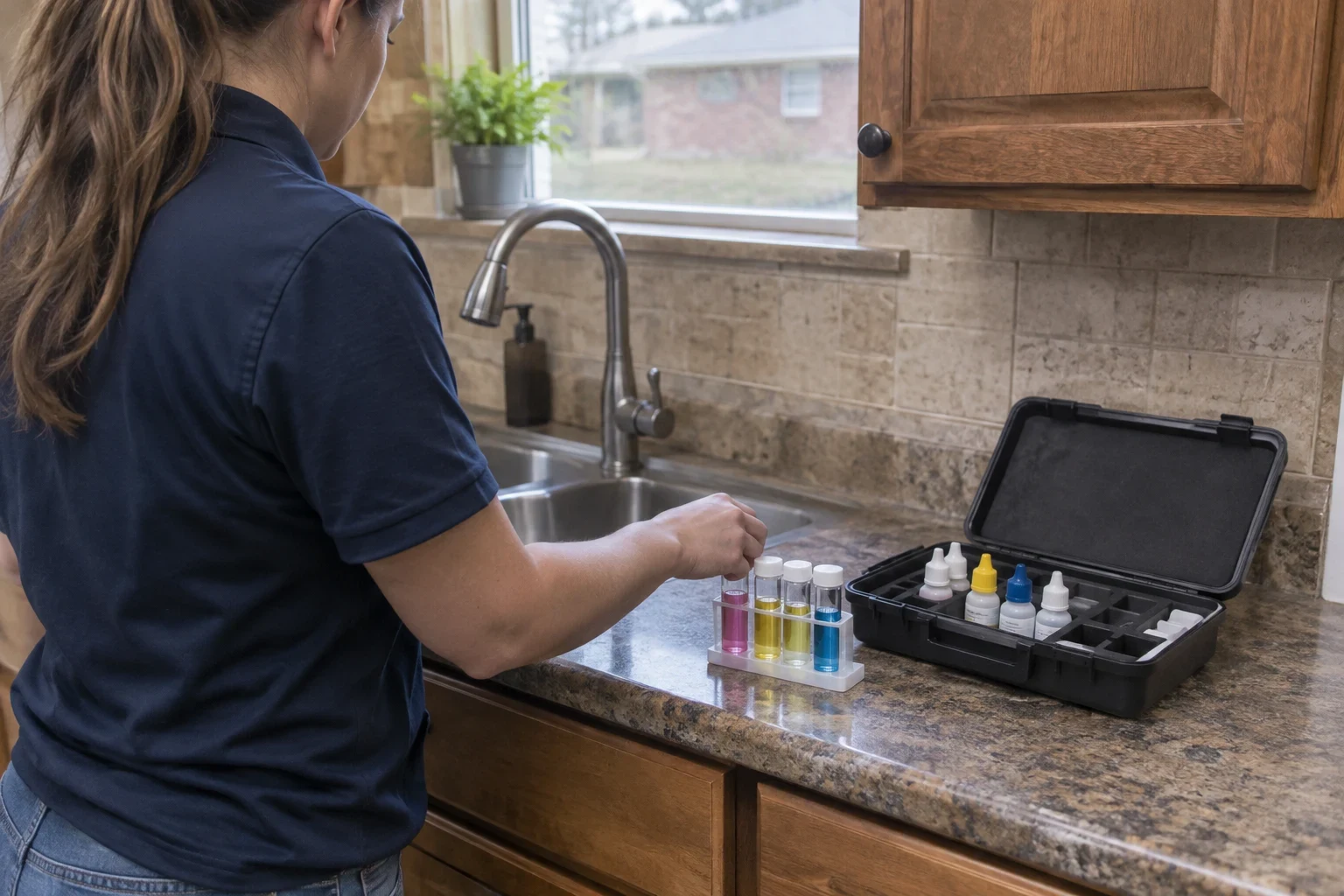
Before you buy any filter, find out what is actually in your water. We test at your kitchen tap for hardness, chlorine, iron, pH and dissolved solids. We explain each number in plain terms and tell you whether your home needs treatment at all.
Test first, then choose equipment
Water testing is the step many sellers skip. A softener, a carbon filter and a reverse osmosis unit each fix a different problem, and the wrong one costs money without changing what comes out of the tap. Hardness causes scale. Chlorine causes taste and odor. Iron leaves orange stains, and high dissolved solids leave spots on glass. Each is a separate number, so we measure each one separately.
Water also changes through the year. Disinfectant levels and mineral content can shift with the seasons, and demand peaks in a Texas summer when your water heater is working hardest against scale. That is why we suggest testing ahead of the season that matters to you, so any equipment is in place before the problem shows up.
If the numbers say your water is fine, we will tell you that plainly.
What we measure during a water test
Hardness in grains per gallon
Calcium and magnesium are the minerals that make water hard. We add reagent drop by drop to a measured sample until it changes color, and the drop count gives us the hardness figure. That number decides whether a water softener, a salt-free conditioner or nothing at all fits your home.
Free and total chlorine
A DPD reagent shows how much disinfectant reaches your tap. Comparing free and total chlorine tells us whether standard carbon will clear up taste and odor, or whether chloramine is present and calls for catalytic carbon instead.
Iron, manganese and sulfur
Dissolved iron turns orange once it meets air, and manganese leaves black or brown residue. We check both and note any rotten-egg odor, since each one needs a different filter media.
pH and total dissolved solids
Low pH water slowly eats at copper pipe and leaves blue-green marks at drains. A TDS meter reads dissolved solids in parts per million, which shows whether reverse osmosis would make a noticeable difference in your drinking water.
Outside lab analysis on request
Lead, nitrates and bacteria can't be read reliably with field kits. When your situation calls for it, we draw the sample the right way and send it to an independent testing lab.
Written results
You keep a sheet listing every reading beside its common reference range, so you can line it up against your next test.
Signs your water is worth testing
- White crust on fixtures
- That chalky film on faucets, shower glass and kettles is mineral left behind as hard water dries or warms up. Hot water sheds more of it, so your water heater usually takes the damage first.
- A pool smell at the tap
- A strong chlorine odor in drinking water is usually harmless but unpleasant. Testing tells us how much carbon it will take to remove it.
- Rotten-egg odor from hot water
- If the smell only comes from the hot side, bacteria may be reacting with the magnesium anode rod in your water heater. If both sides smell, the source is in the supply.
- Orange, brown or blue-green stains
- Orange and brown point to iron or manganese. Blue-green around drains points to corrosive water working on copper lines.
- Older plumbing or a new-to-you house
- Homes built before 1986 may have lead solder on copper joints. Moving in is a good time to get a baseline reading, so you know where your water stands from the first week.
How a test visit works
- 1
A short phone call
Tell us what you are noticing and if your home is on city water or a private well. We pick a visit time that works for you.
- 2
Sampling at the tap
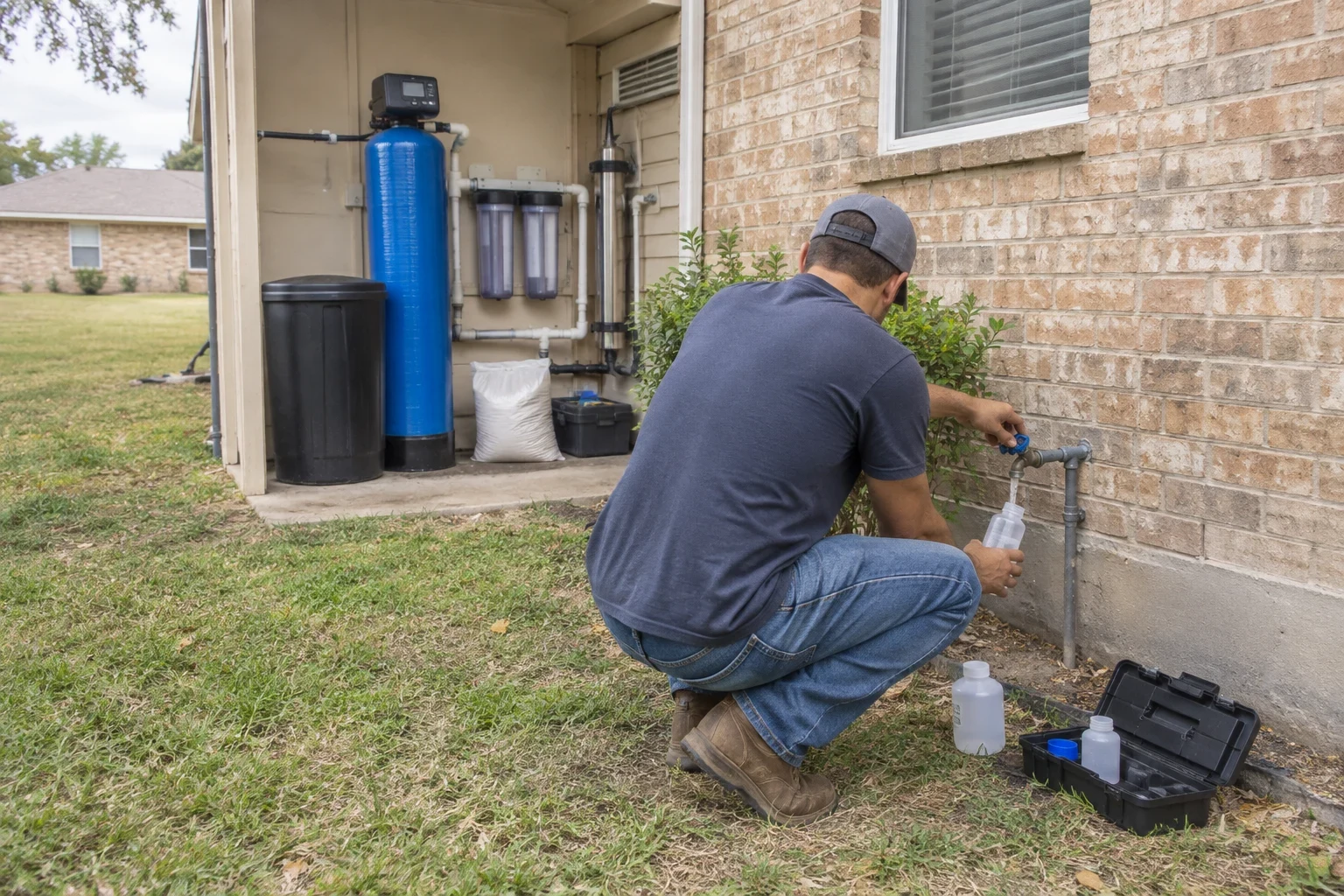
We run the cold line first, then draw from the kitchen faucet ahead of any existing filter so the reading reflects your supply. If odor is the complaint, we sample the hot side as well.
- 3
Results at your table
Most readings develop in a few minutes, so we walk through them with you on the spot and explain what causes each one.
- 4
A straight recommendation
If treatment makes sense, we match it to your numbers and give you a quote. Installation is free on systems we put in, and if your water needs nothing, we say so.
What affects the cost of testing
The in-home water test is free, and you owe nothing afterward. Cost only comes up when your situation needs analysis beyond what we can read at the faucet. If a sample needs to go to an outside lab, we tell you about that charge before we draw it.
- Outside lab panels
- Lead, nitrates, bacteria and broader contaminant screens are run by an independent testing lab. The panel you pick sets the cost, and we explain what each one covers so you only pay for what answers your question.
- Your water source
- Private wells usually call for bacteria and nitrate checks that city water does not, because no utility is disinfecting the supply before it reaches your home.
- Number of sample points
- A second faucet, the hot side or a sample taken after existing equipment adds lab work if those samples are sent out.
- Seasonal retesting
- Some homeowners want readings in summer and again in winter to see how their water moves through the year. We plan that second visit with you ahead of time.
Water testing questions
- Is the in-home water test really free?
- Yes. The readings we take at your faucet, covering hardness, chlorine, iron, pH and dissolved solids, cost you nothing. There is no obligation to buy equipment, and if the numbers show you do not need any, that is what we tell you.
- My water provider publishes a quality report. Why test again?
- That report describes water as it leaves treatment. Your service line, pipes, water heater and any aging softener or filter all change it before it reaches your glass. A tap test shows what your home actually delivers.
- Can you test for lead?
- Reliable lead numbers need lab equipment, so we handle the sampling and send it out. We take a first-draw sample from water that sat in the pipes overnight, because that is when lead from old solder and brass fixtures is most likely to show up.
- How often should I retest?
- Once a year is a sensible baseline, ideally in the same season so the readings compare fairly. After any new equipment is installed, test again a few weeks later so you can see the before-and-after numbers side by side. Test sooner if taste, odor or staining changes.
- Will you just tell me I need a system?
- No. Many homes need only one fix, such as carbon for chlorine taste or an under-sink reverse osmosis unit for drinking water. Some need nothing at all, and we will say so.
Know your numbers before the season turns
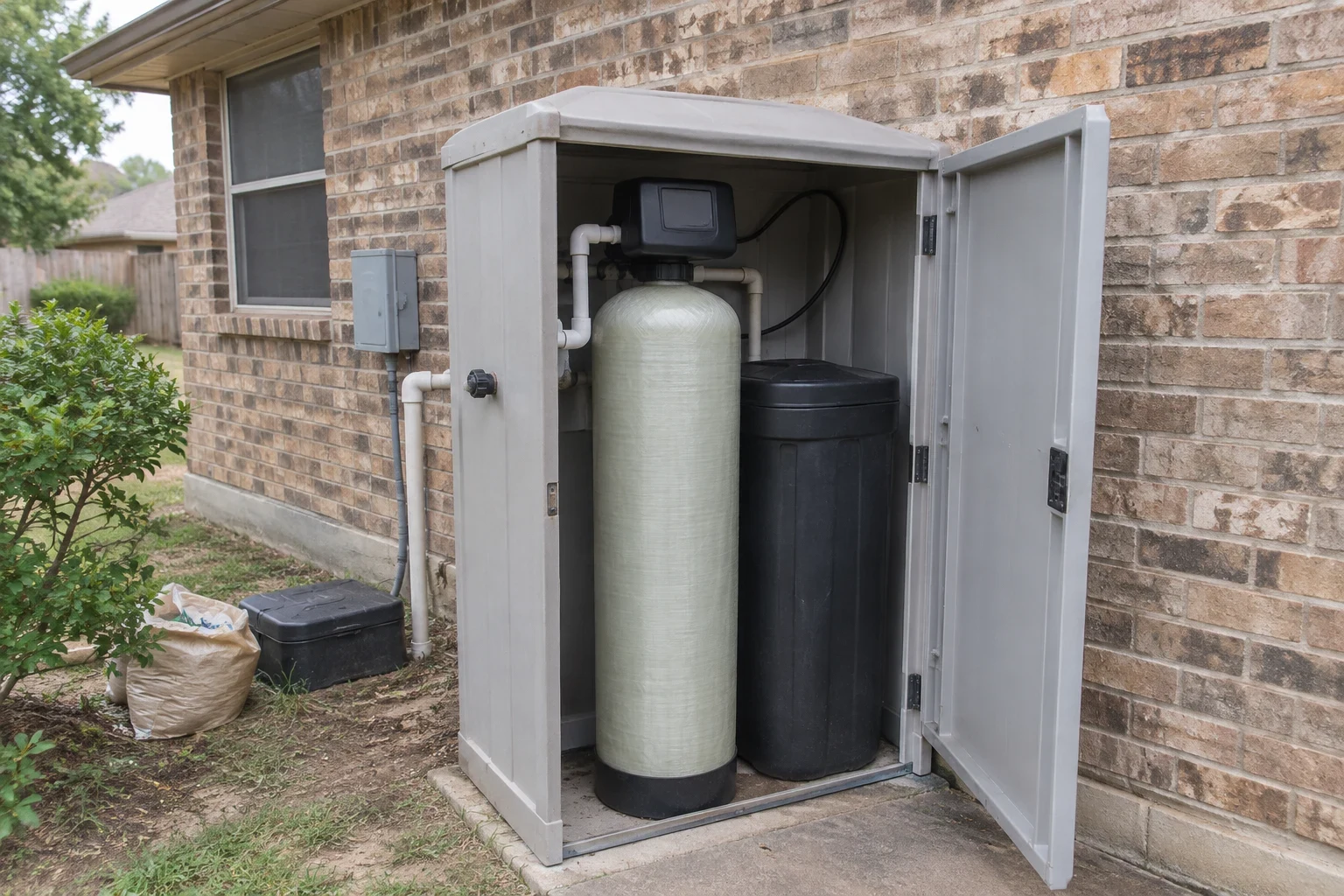
A free test now means any equipment is sized and installed before summer demand or a wet spell changes your water. Tell us what you are noticing and we will set up a visit.